
How to Navigate Common Challenges in 3PL Fulfillment
Understanding 3PL Fulfillment
Third-party logistics (3PL) fulfillment is a critical component for many businesses aiming to optimize their supply chain management. While outsourcing logistics can streamline operations, it also presents unique challenges that require strategic navigation. Understanding these common issues is the first step toward building a more efficient partnership with your 3PL provider.
When working with a 3PL provider, businesses often face difficulties related to communication, inventory management, and technology integration. Addressing these concerns proactively can lead to improved efficiency and cost savings.

Communication Barriers
Effective communication is vital for a successful 3PL partnership. Misunderstandings or delays in communication can lead to errors in order fulfillment and customer dissatisfaction. To overcome this, establish clear communication protocols and regular check-ins with your 3PL provider. Ensure that both parties have access to real-time data and updates.
Utilizing a centralized communication platform can help in maintaining transparency and accountability. This ensures that all stakeholders are on the same page and can address issues promptly as they arise.
Inventory Management Challenges
Maintaining accurate inventory levels is crucial for meeting customer demands and avoiding stockouts. However, managing inventory across multiple locations with a 3PL provider can be complex. Implementing an integrated inventory management system can help track stock levels in real-time, reducing the risk of errors.
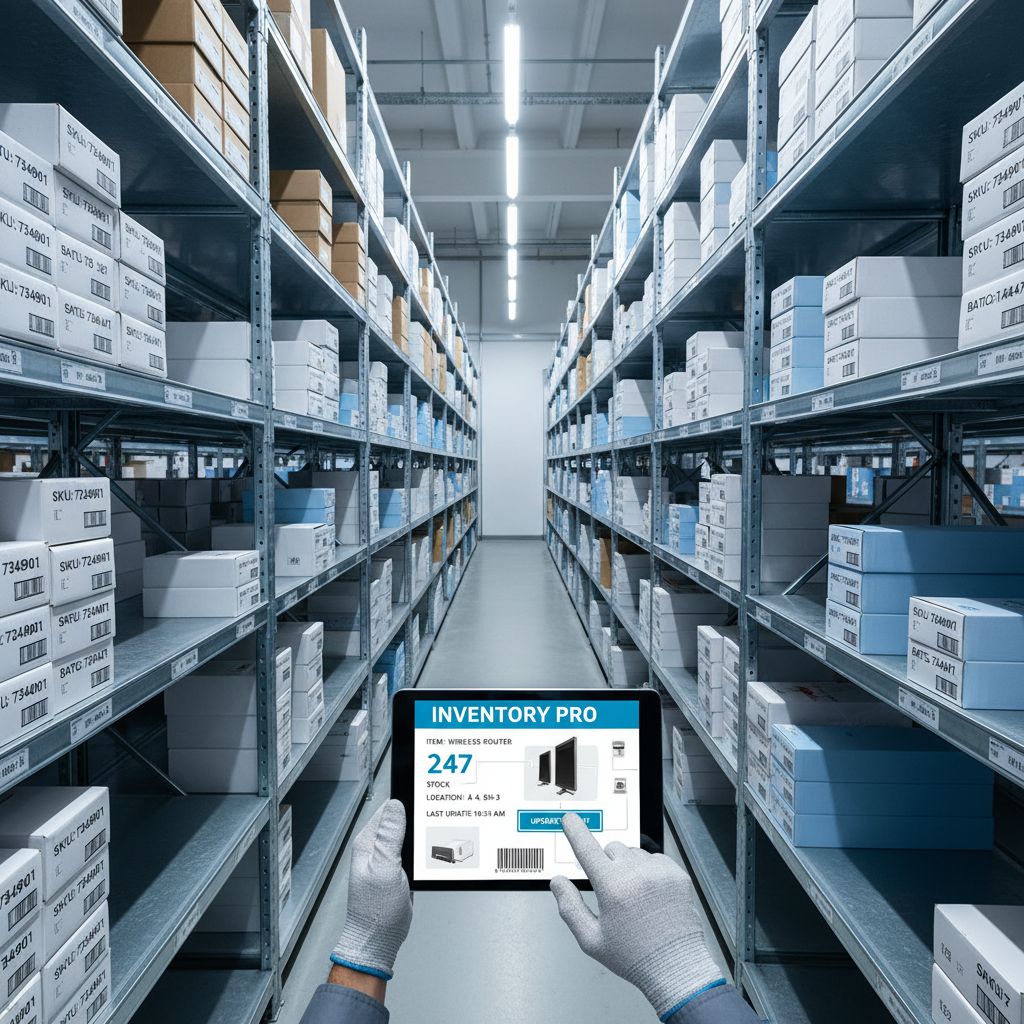
Consider setting up automated alerts for low stock levels and demand fluctuations. This proactive approach allows for timely replenishments and adjustments, ensuring that your supply chain remains agile and responsive.
Technology Integration Issues
Integrating technology systems between your business and the 3PL provider can pose significant challenges. Ensure that both parties use compatible systems to streamline data exchange. Investing in a robust API or middleware solution can facilitate seamless integration and data flow.
Conduct thorough testing before going live with any new technology to identify potential issues. Training your team and the 3PL provider on these systems can also help in minimizing disruptions and enhancing productivity.

Performance Monitoring and Evaluation
Regular performance evaluation is essential to ensure that your 3PL provider meets your business requirements. Establish key performance indicators (KPIs) such as delivery times, order accuracy, and customer satisfaction levels. Conduct periodic reviews to assess the 3PL’s performance against these benchmarks.
Use these evaluations to identify areas for improvement and collaborate on solutions. This continuous improvement process strengthens your partnership and enhances overall efficiency.
Conclusion
Navigating the challenges of 3PL fulfillment requires a strategic approach and a commitment to open communication, technology integration, and performance monitoring. By addressing these common issues, businesses can build a more resilient and responsive supply chain. Partnering with a reliable 3PL provider can ultimately lead to improved customer satisfaction and business growth.